

 English
DINGSHENG & POWDER COATINGS DINGSHENG & POWDER COATINGS DINGSHENG & POWDER COATINGS DINGSHENG & POWDER COATINGS DINGSHENG & POWDER COATINGS DINGSHENG & POWDER COATINGS DINGSHENG & POWDER COATINGS DINGSHENG & POWDER COATINGS DINGSHENG & POWDER COATINGS DINGSHENG & POWDER COATINGS DINGSHENG & POWDER COATINGS DINGSHENG & POWDER COATINGS DINGSHENG & POWDER COATINGS DINGSHENG & POWDER COATINGS DINGSHENG & POWDER COATINGS DINGSHENG & POWDER COATINGS DINGSHENG & POWDER COATINGS DINGSHENG & POWDER COATINGS

-
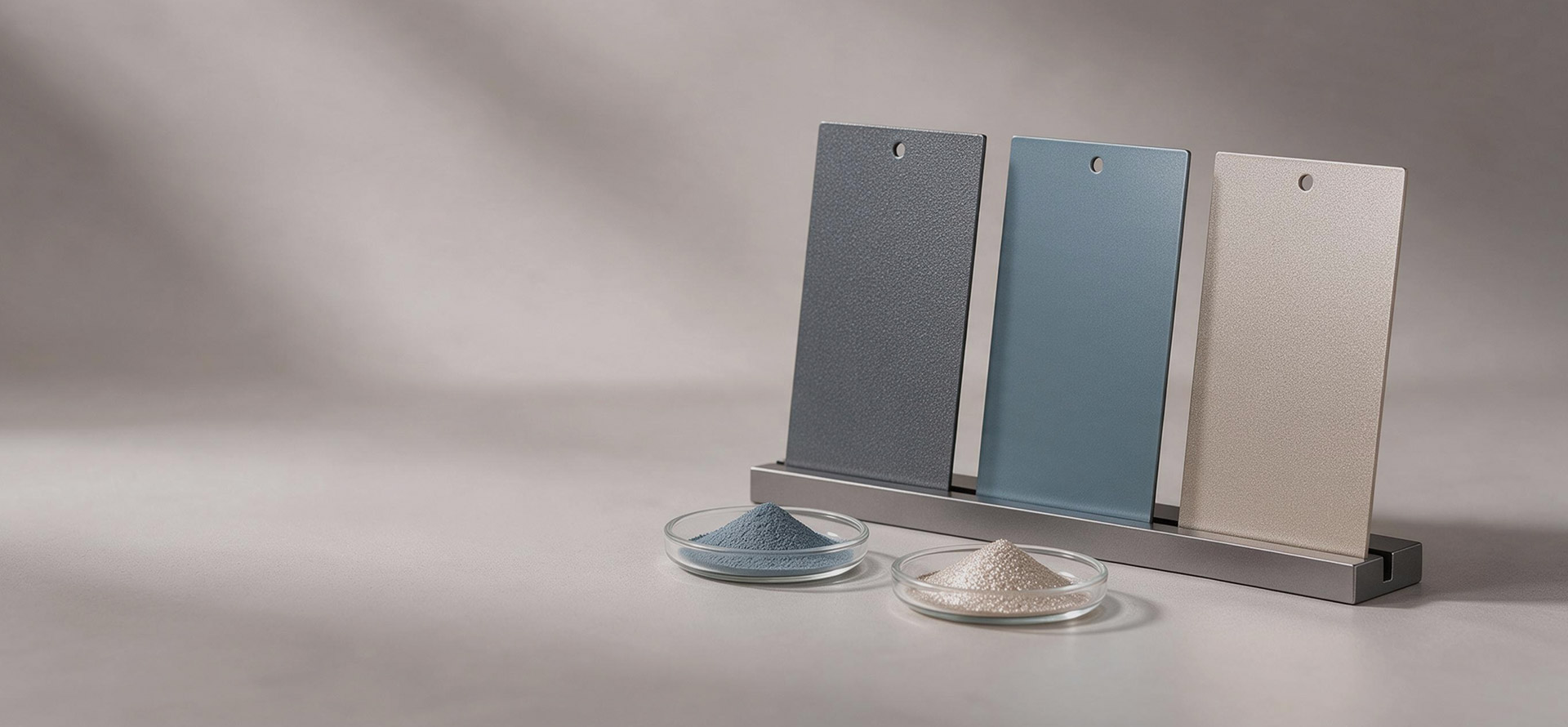
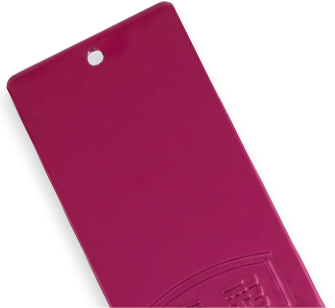
Powder Coatings
Made for Your ProductsEXPLORE PRODUCTSCustom colors, distinctive finishes and tailored formulations.
Bring your next product to life with Dingsheng.
-
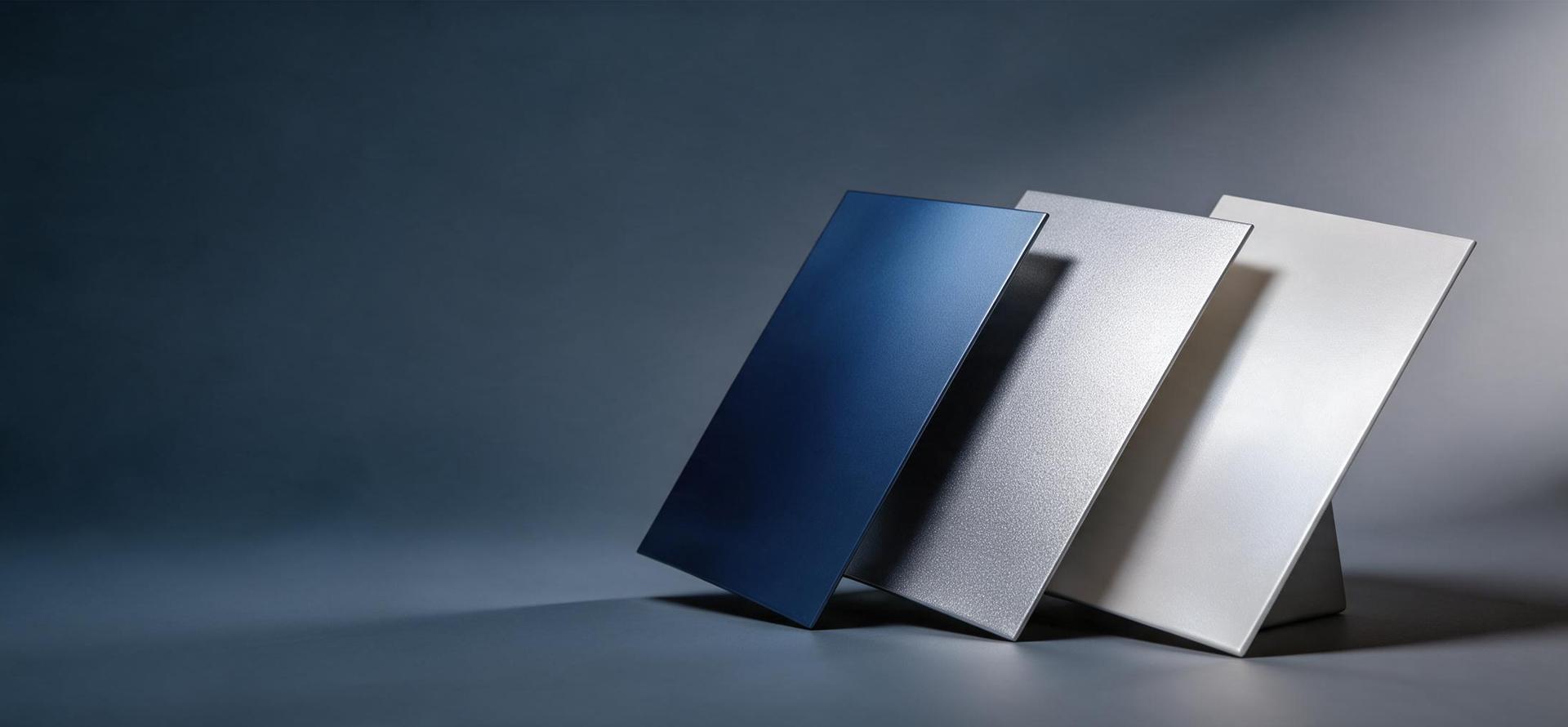
Powder Coatings
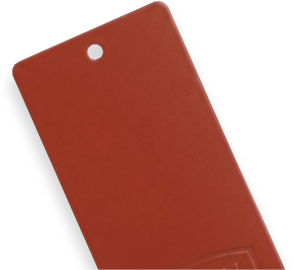
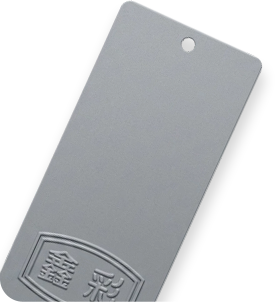
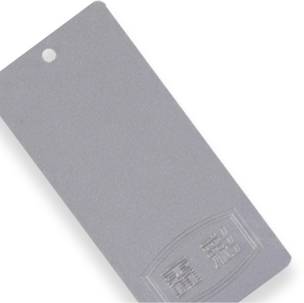
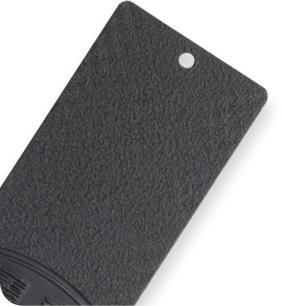
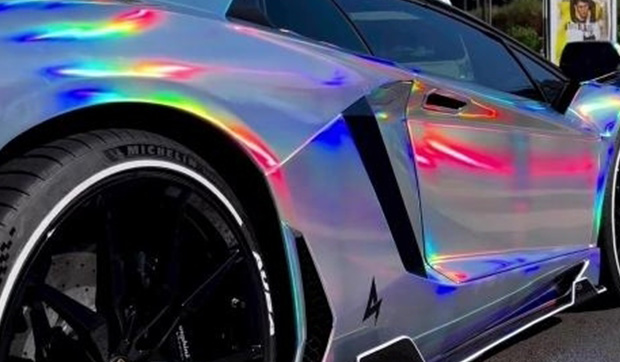
Color & Texture.EXPLORE PRODUCTSColors, textures and formulations tailored to your application.
Let's explore more possibilities together
PRODUCT CENTER
Explore Our Powder Coatings
Find the right finish for your application. Explore our coating families, from everyday protection to distinctive metallic effects.
View All PRODUCTS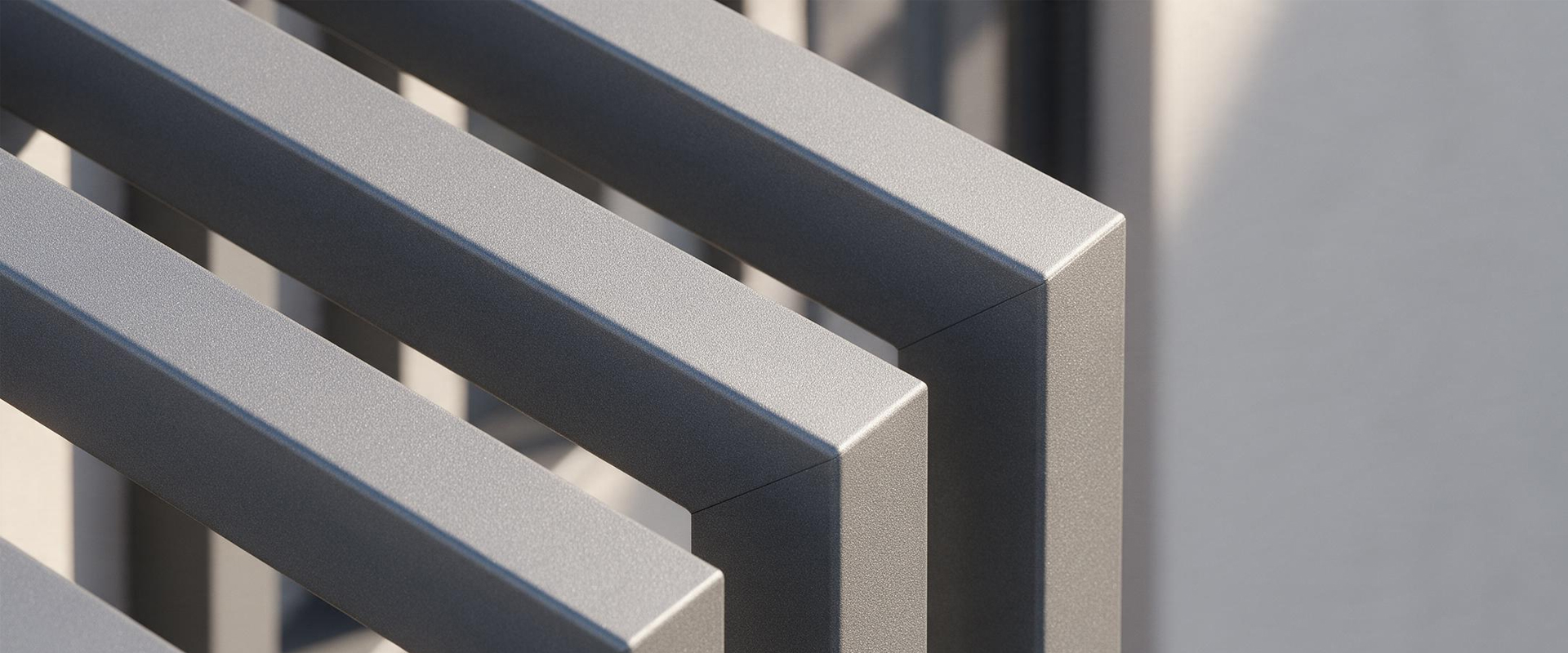
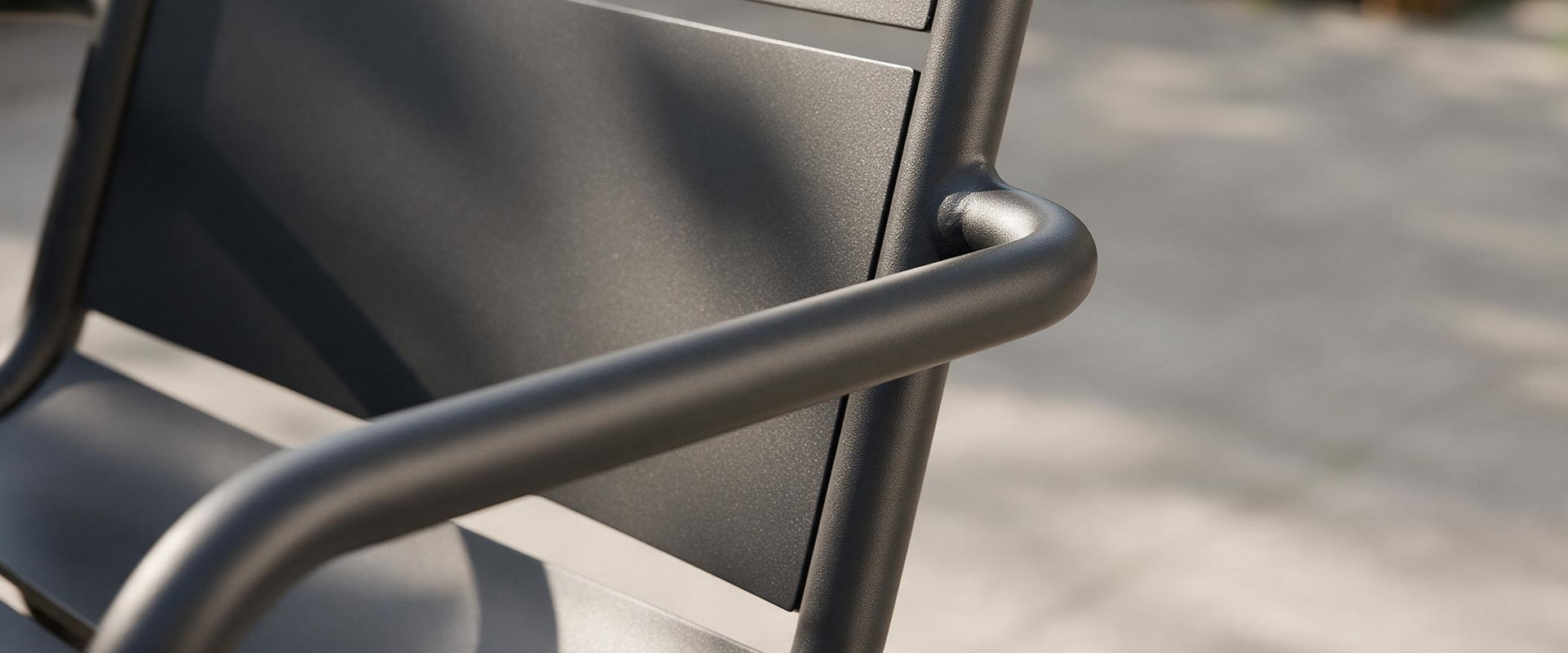
OUR APPLICATIONS
Purposeful Coatings
Purposeful Coatings
Everyday Applications.
-
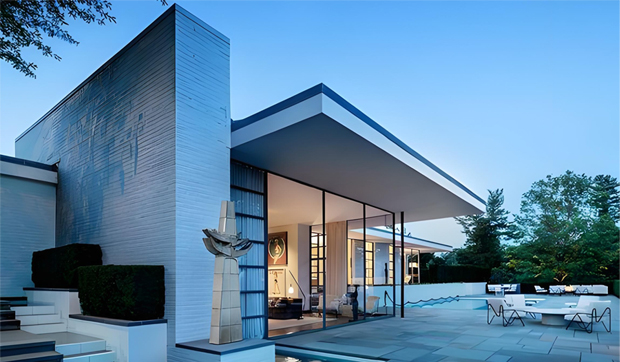
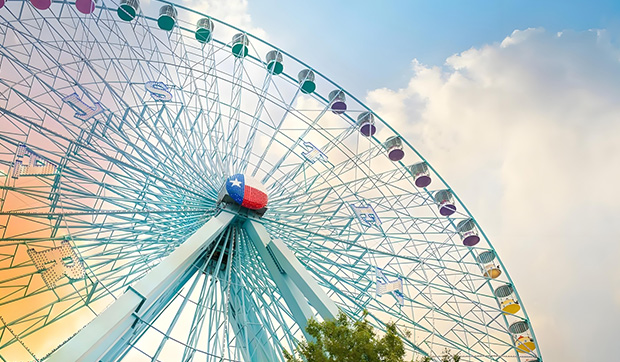
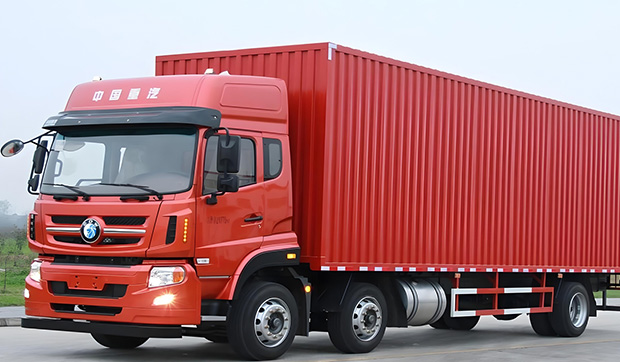
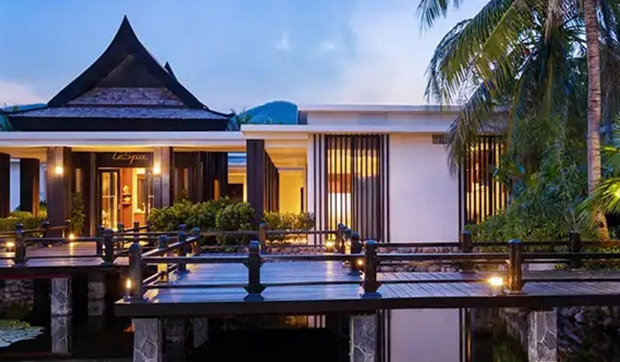
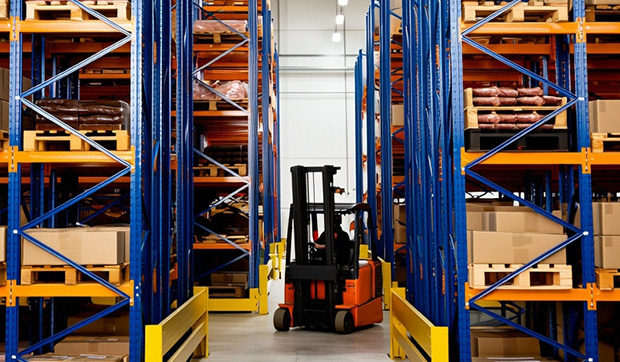
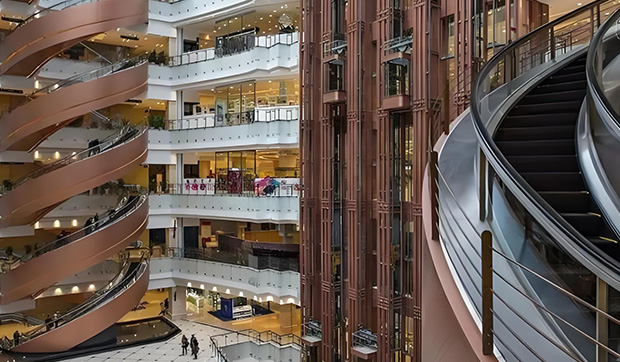
01 / ARCHITECTURAL
Architecture & Outdoor Living
-
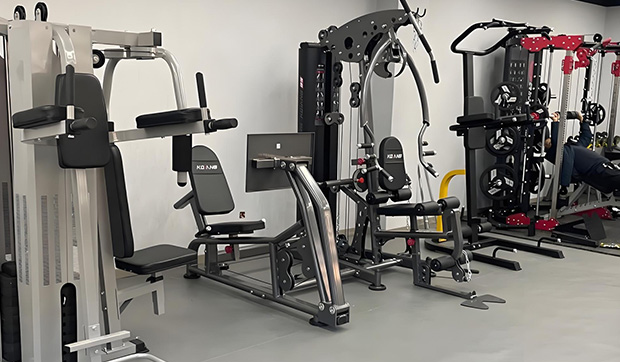
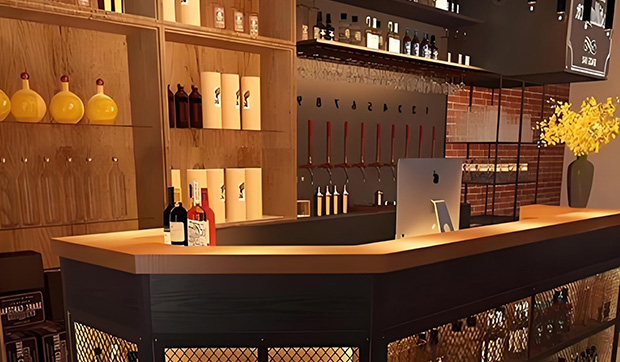
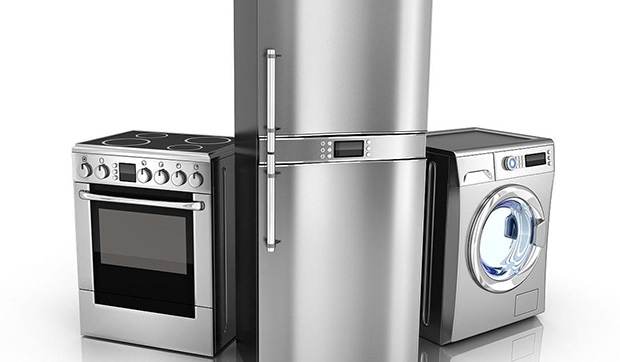
02 / FURNITURE
Metal Furniture & Frames
-
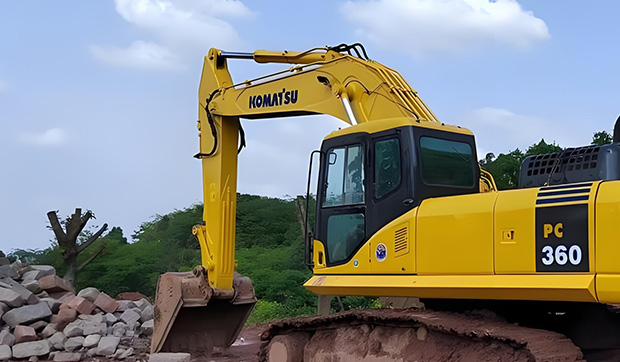
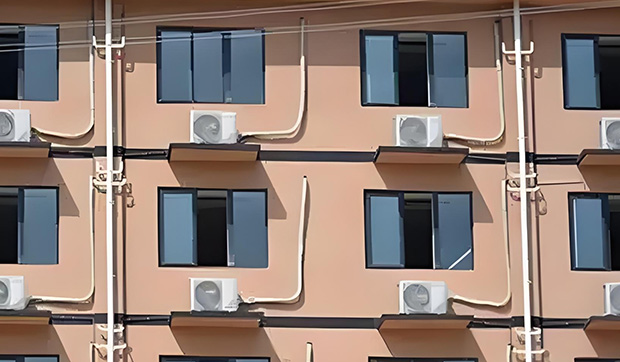
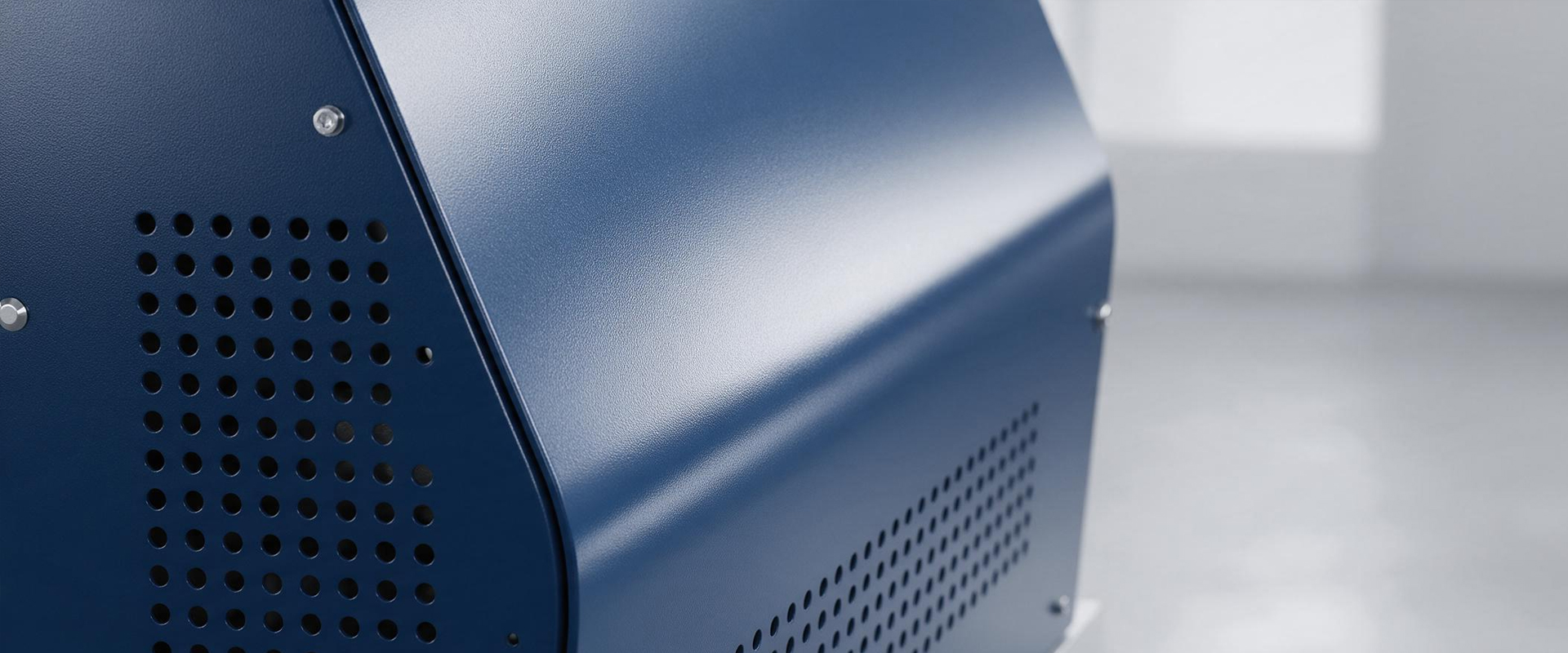
03 / INDUSTRIAL
Equipment Housings & Panels
-
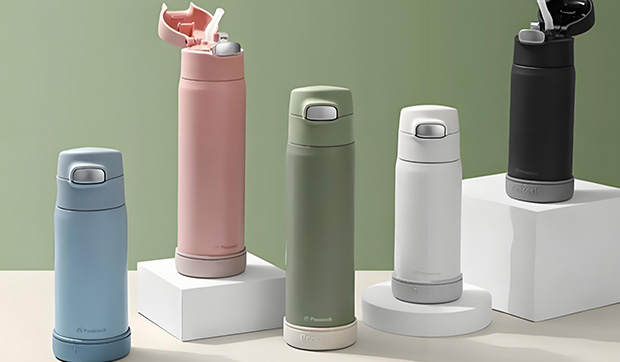
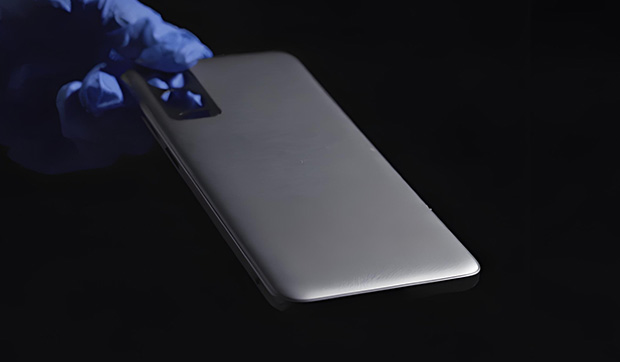
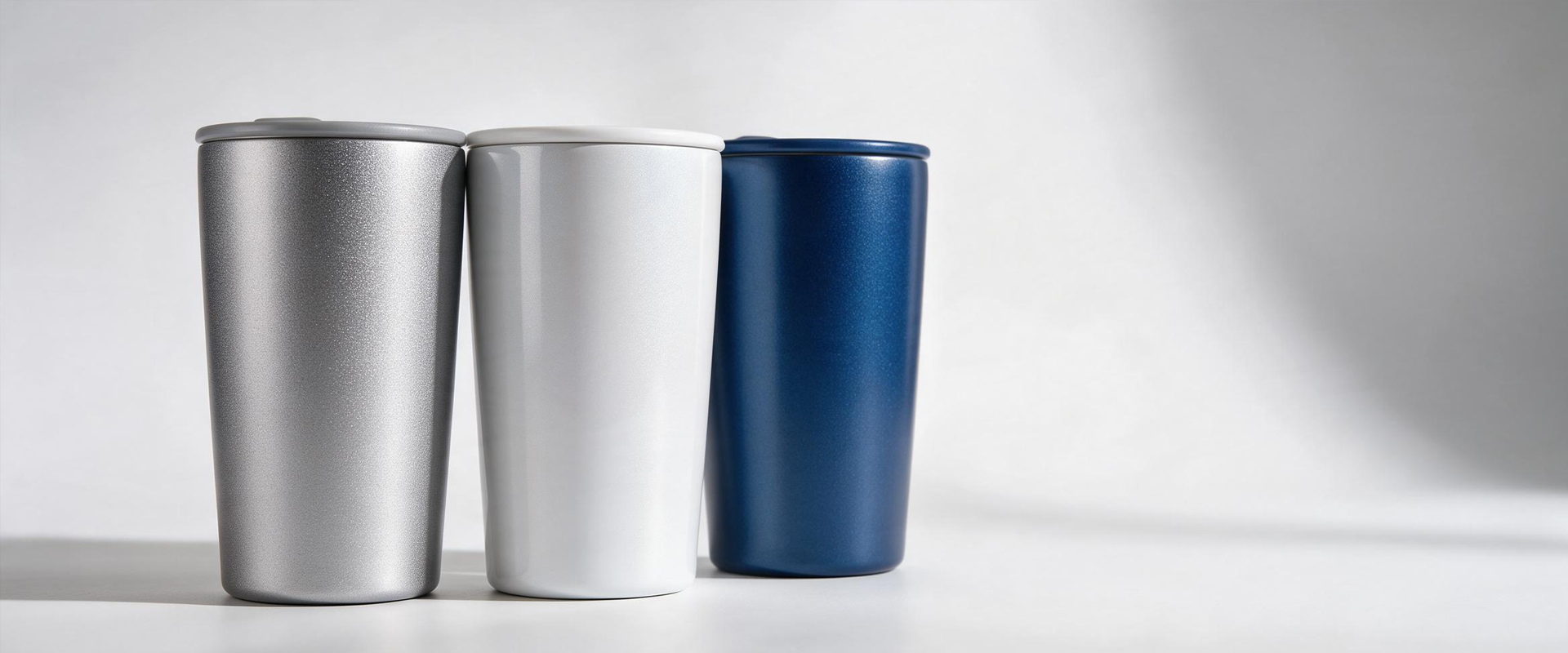
04 / DRINKWARE
Insulated Cups & Bottles
ABOUT US
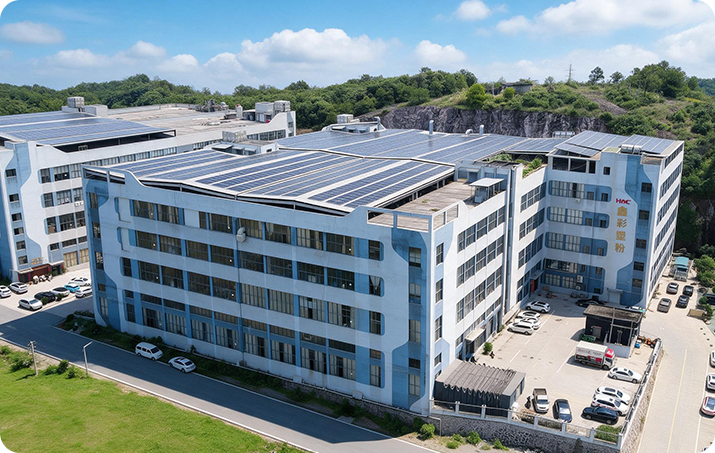
Yongkang Dingsheng Plastic Powder Co., Ltd
Founded in 2007 in Yongkang, China's hardware coating hub, Yongkang Dingsheng Powder Co., Ltd. (brand:
Xincai) is a professional powder coating manufacturer with 10 production lines, 6,000+ tons annual
capacity and ISO 9001/14001/45001 certification. We supply customized polyester, hybrid, metallic,
textured and functional powders for hardware, appliances, tools and fitness equipment, serving customers
worldwide.
DISCOVER DINGSHENG
-
2007
Year Established
-
13,000 m²
Facility Area
-
6,000 Tons
Annual Capacity
-
10
Production Lines
MANUFACTURING & QUALITY
Attention to Every Batch.
Confidence in Every Finish.
Equipped with 10 modern production lines, 3 intelligent bonding machines and an in-house laboratory,
we ensure batch-to-batch consistency. Custom colors, gloss levels and finishes available, with fast
sample turnaround and reliable export delivery.
EXPLORE MORE
-
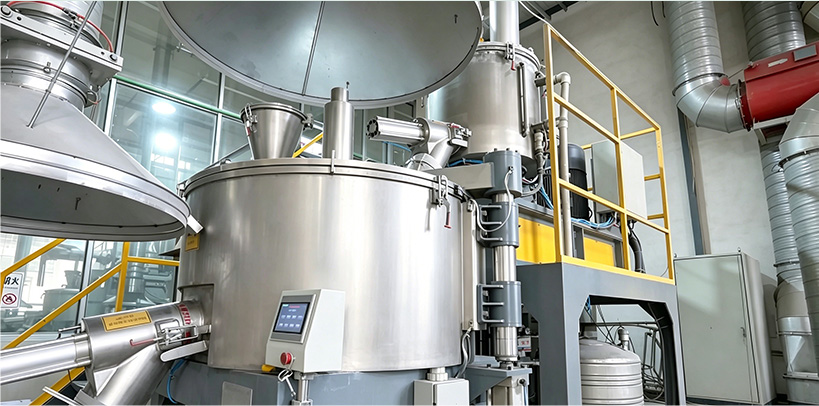 Integrated Manufacturing Expertise

Research, development and manufacturing in one facility. Ten production lines support a broad range of powder coating formulations.
-
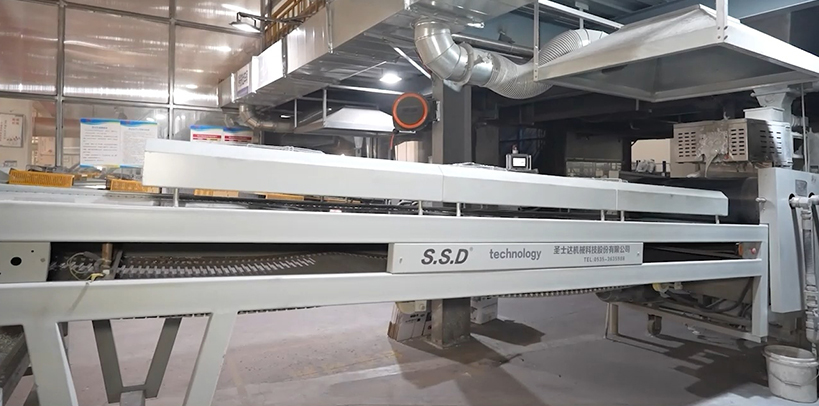 Dedicated Metallic Bonding Capability

Three bonding machines support the development of metallic finishes, bringing pigments and powder together for distinctive surface effects.
-
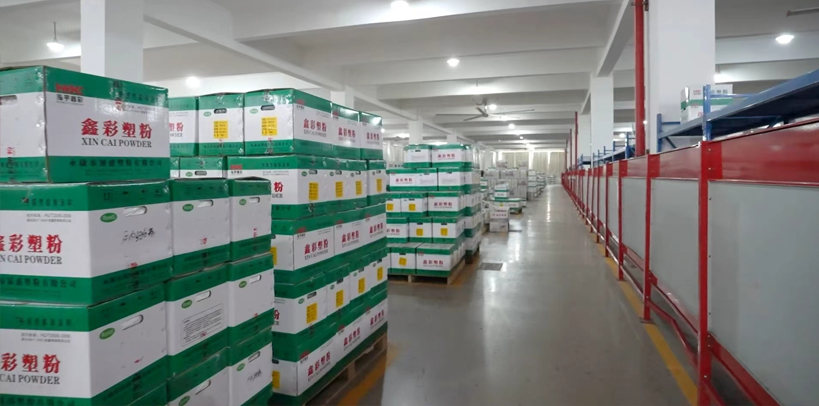 Quality Checks & delivery Support

Color, gloss and film thickness checks support product evaluation. In-house warehousing helps coordinate finished orders and delivery.
News & Insights
VIEW ALL NEWS-
Company NewsREAD STORY
2026-10-23
-
Industry NewsREAD STORY
2026-10-22
-
Industry NewsREAD STORY
2026-10-20
Integrity, Enthusiasm, Innovation
Breakthrough quality and win-win situation
Contact Information

+86- 15268687685
+86-18395942858
+86-15888913414
+86-15757951665

15268687685@163.com
Add
960 Huajie West Avenue, Huajie Town, Yongkang City, Jinhua, Zhejiang, China
Quick Links
[Mobile]
Keep In Touch
© Yongkang Dingsheng Plastic Powder Co., Ltd.
