

 English

News
Home / News / Company News / Bonded Metallic Powder Coating: How Thermal Bonding Creates a Stable Metallic Finish
Bonded Metallic Powder Coating: How Thermal Bonding Creates a Stable Metallic Finish
Update Date:2026.10.23
Bonded metallic powder coating is a decorative powder coating in which metallic effect pigments are fixed onto the base powder particles through a thermal bonding process rather than simply mixed in dry. In dedicated bonding equipment, controlled heat brings the surface of the base particles to a soft state, so pigments such as aluminum flake, gold and copper powders, and pearlescent pigments adhere evenly to each particle. After cooling, the pigment stays attached instead of sitting loosely on top, which is the key difference from conventional dry-blended metallic powder.
- Why bonding replaces simple dry blending
In a dry blend, metallic flakes and the base powder are different in density, shape, and electrostatic behavior. As the mixture moves through a fluidized bucket, delivery hose, and recovery system, the lighter flakes can separate from the base powder, settle in pipes, or become airborne as dust. That separation leads to uneven color between the first and recovered powder, patchy metallic coverage, and wasted pigment.
Bonding addresses these points:
- Less pigment separation: flakes remain attached to the particle through conveying and spraying, so new and recovered powder stay closer in appearance.
- Lower dusting: loosely floating metallic pigment is reduced during handling and spraying.
- Stable reclaim: recovered powder can be returned to the cycle in a controlled ratio, supporting consistent production on automatic lines.
- Reduced electrostatic shielding: firmly bonded flakes behave more uniformly under the spray charge, helping powder reach recessed and edge areas more evenly.
- Better transfer and leveling: bonding supports a higher powder transfer rate, smoother film flow, and more uniform edge coverage.
- How the metallic look is built
The visual result comes from the type and orientation of the pigment within the film:
- Glitter silver in coarse, medium, and fine grades: aluminum flake produces a bright metallic sparkle; the flake size changes how fine or pronounced the glitter appears.
- Iridescent chameleon: special effect pigments shift color as the viewing angle changes, presenting different tones from different directions.
- Electroplated effect: ultra-fine metallic pigments processed over a special base powder imitate a plated, reflective look; this grade is mainly used indoors and may be applied as a single or double coat.
- Skin-sensitive anti-fingerprint metallic: a low-gloss matte metallic that combines fine metal texture with a soft, leather-like touch; indoor and outdoor grades are available.
The bonded film can also be offered across high-gloss, semi-gloss, and matte levels, with color customized to the requirement.
- Performance beyond appearance
Beyond the decorative metal luster, bonded metallic coatings carry the protection expected of powder coatings: the cured film provides abrasion and scratch resistance, and weather-stabilized grades add outdoor weather protection for exposed parts. As a powder product it contains no liquid solvents, releases no formaldehyde during application and cure, and the bonded structure keeps pigment recoverable, which supports material efficiency on the coating line. Durability and weather suitability vary by grade, so the indoor or outdoor version should be matched to the real location.
- Typical applications
Bonded metallic powder coatings are chosen where appearance matters alongside protection:
- Architecture: high-visibility curtain-wall components, aluminum profiles, and facade trim.
- Furniture: appearance-sensitive indoor and outdoor metal furniture.
- Home appliances: casings and trim pieces requiring a refined metal look.
- Automotive and transport: exterior and interior metal components, sport equipment frames.
- Electromechanical and electronics: premium equipment housings, 3C device parts, and similar metal substrates.
- Process notes for even results
Because metallic effect depends on pigment orientation and film evenness, a few application points matter. New and recovered powder should be mixed at the producer's recommended ratio rather than spraying recovered powder alone, which helps keep color and glitter consistent. Film thickness should stay even across the part, since uneven thickness changes how the flakes lie and how bright the metallic look reads. Curing temperature and time follow the powder's recommended schedule, and a trial panel under the actual line conditions confirms color, gloss, and glitter before a full batch.
Closing note
Bonded metallic powder coating gives powder finishing a stable metal appearance that traditional dry blending struggles to maintain through recovery cycles. By understanding how thermal bonding holds the pigment in place, buyers can expect more even color, easier reclaim management, and a refined luster on appearance-sensitive parts, while matching the correct grade to indoor or outdoor use.
Previous Article:
Next Article:
Recommended Products
-
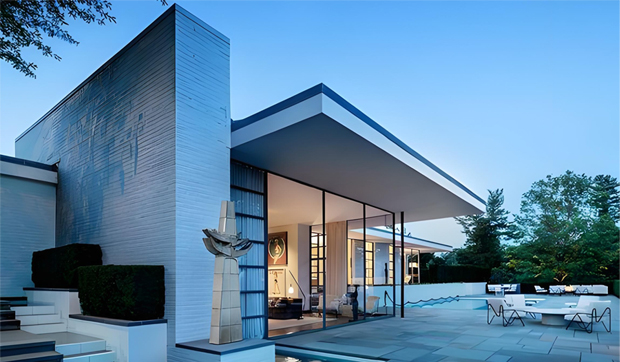
Outdoor Weather-Resistant Powder Coatings
-
Industrial Weather-Resistant Powder Coatings
-
10-Year Warranty High-Weatherability Powder Coatings
-
15-Year Warranty Super-Durable Powder Coatings
-
HAA-Cured Outdoor Weather-Resistant Powder Coatings
-
Acrylic Matte Finish Powder Coatings
-
Polyurethane Superleveling Powder Coatings
-
Epoxy Polyester Powder Coatings
-
Pure Epoxy Powder Coatings
-
General-Purpose Protective Powder Coatings
-
Thermos (Kettle) Powder Coatings
-
Coarse, Medium and Fine Metallic Silver Powder Coatings
-
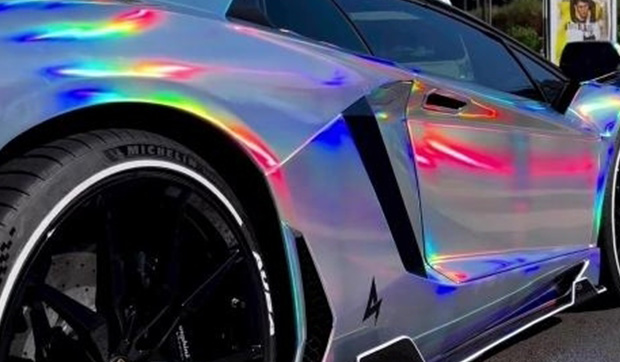
Iridescent Chameleon Metallic Powder Coatings
-
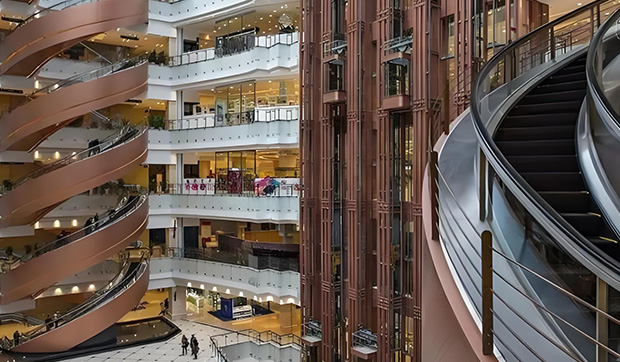
Electroplated Metallic Powder Coatings
-
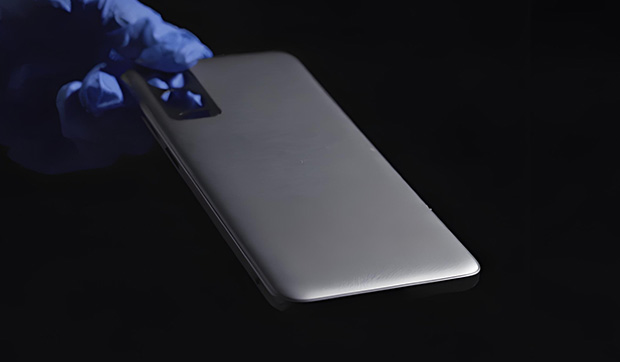
Skin-sensitive Anti-Fingerprint Metallic Powder Coatings

Integrity, Enthusiasm, Innovation
Breakthrough quality and win-win situation
Contact Information

+86- 15268687685
+86-18395942858
+86-15888913414
+86-15757951665

15268687685@163.com
Add
960 Huajie West Avenue, Huajie Town, Yongkang City, Jinhua, Zhejiang, China
Quick Links
[Mobile]
Keep In Touch
© Yongkang Dingsheng Plastic Powder Co., Ltd.
