

 English

News
Home / News / Industry News / From Cabinets and Guardrails to Metal Furniture: Where Textured Powder Coating Adds Character
From Cabinets and Guardrails to Metal Furniture: Where Textured Powder Coating Adds Character
Update Date:2026.10.20
Artistic texture powder coating is a decorative category of thermoset powder coating that produces a patterned, three-dimensional surface rather than a perfectly smooth film. It combines specially formulated resins and additives that alter the surface tension of the melting film and create differences in reaction speed, together with controlled amounts of metallic or organic pigments. During curing, these differences cause peaks and valleys to form, often with a lighter or deeper tone on raised areas and a contrasting tone in recessed areas, giving the finish a handcrafted, textured character.
- How the texture forms
The effect does not come from printing a pattern onto the part after coating. It develops inside the film as the powder melts, flows, and crosslinks in the oven. Selected additives change how the molten resin spreads and how quickly different regions cure; where flow and cure rates differ, the surface rises or settles into a repeated pattern. Metallic or organic pigments are then chosen to emphasize that relief, so the pattern reads both through touch and through light and shadow. Because the result depends on controlled internal behavior of the film, it is a formulation-driven effect rather than a purely decorative overlay.
- Common finish patterns
Artistic texture series cover several recognizable patterns, each with its own visual feel:
- Water ripple (continuous texture): a soft, flowing wave-like relief that suggests rippling water, often chosen for a refined, understated surface.
- Orange peel / crepe / wrinkle: a natural, even fine wrinkle or ripple formed during cure; this pattern is also referred to as crepe or wavy finish and is widely used where a slightly rough, non-glossy look is preferred.
- Hammered (hammer tone): a pattern of rounded, uneven dents that resembles hand-hammered metal. It is available in ordinary colors prepared with conventional pigments and in metallic-luster versions prepared with metal-effect pigments for a stronger visual impression.
- Snowflake: a scattered, speckled decorative pattern.
- Crocodile: a raised, scale-like texture that adds a bold surface character.
Indoor grades are common for protected interiors, while weather-stabilized versions can be specified for exposed or semi-exposed locations; the grade should be matched to the actual environment.
- Practical benefits beyond appearance
Texture finishes offer several practical properties alongside their decorative role:
- Conceals minor substrate imperfections: the raised pattern helps hide small scratches, slight unevenness, and weld marks that a smooth glossy film would make more visible.
- Relatively economical powder usage: textured films can cover a part with controlled powder consumption, and a high transfer rate supports efficient spraying.
- Durability: the cured film provides wear resistance, corrosion resistance, and good mechanical properties such as adhesion, impact resistance, and bendability.
- Cleaner composition: as a powder coating it contains no liquid solvents and releases no formaldehyde during application and cure, which aligns with low-carbon and environmental-protection expectations.
- Versatile gloss and color: patterns can be produced across a range of colors and gloss levels, with metallic effects available on selected patterns.
- Typical applications
Artistic texture powder coatings are used wherever a durable surface with visual character is wanted:
- Electrical and equipment housings: distribution cabinets, switch boxes, charging and energy-storage cabinets, instruments, and meters.
- Indoor furniture and storage: metal furniture, filing cabinets, and decorative metal pieces.
- Architectural and public metalwork: guardrails, rails, gates, and bars.
- Machinery and transport components: mechanical equipment frames, bicycles and motorcycle parts such as pedals and bumpers.
- Leisure and daily metal goods: thermos cups, fitness equipment, and similar products.
- Process notes that shape the texture
Because the pattern forms during melting and curing, application conditions affect the final look. Film thickness should be kept even across the part; too thin or too uneven a coat can make the pattern weak or irregular. Curing temperature and time should follow the powder's recommended schedule, since under-cure or over-cure changes how the relief develops. Pretreatment matched to steel or aluminum keeps adhesion and corrosion performance consistent, and running a trial panel under the actual line conditions before a full batch is a reliable way to confirm the pattern, color, and gloss.
Closing note
Artistic texture powder coating sits between protection and decoration: it shields the substrate while giving ordinary metal parts a patterned surface that smooth coatings cannot reproduce. Understanding how surface tension, reaction-rate differences, and pigment choice combine helps buyers match the right pattern to the part's function and setting. Manufacturers typically offer sample trials and can adjust color, gloss, and pattern density for specific substrates and requirements.
Previous Article:
Next Article:
Recommended Products
-
Outdoor Weather-Resistant Powder Coatings
-
Industrial Weather-Resistant Powder Coatings
-
10-Year Warranty High-Weatherability Powder Coatings
-
15-Year Warranty Super-Durable Powder Coatings
-
HAA-Cured Outdoor Weather-Resistant Powder Coatings
-
Acrylic Matte Finish Powder Coatings
-
Polyurethane Superleveling Powder Coatings
-
Epoxy Polyester Powder Coatings
-
Pure Epoxy Powder Coatings
-
General-Purpose Protective Powder Coatings
-
Thermos (Kettle) Powder Coatings
-
Coarse, Medium and Fine Metallic Silver Powder Coatings
-
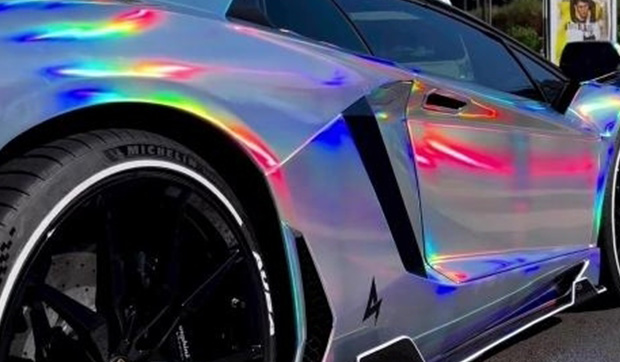
Iridescent Chameleon Metallic Powder Coatings
-
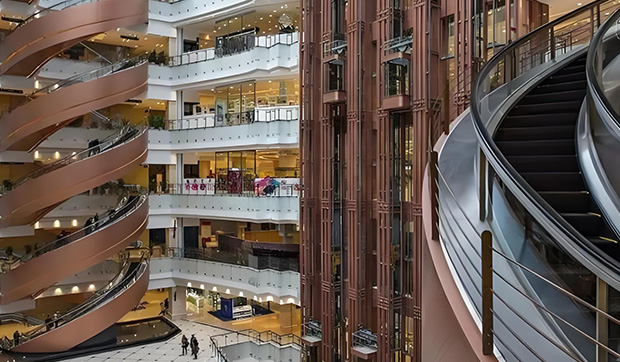
Electroplated Metallic Powder Coatings
-
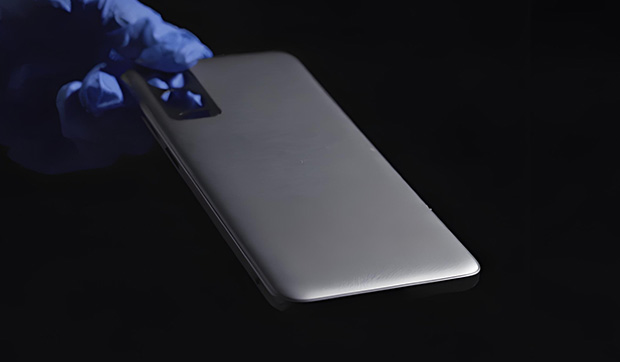
Skin-sensitive Anti-Fingerprint Metallic Powder Coatings

Integrity, Enthusiasm, Innovation
Breakthrough quality and win-win situation
Contact Information

+86- 15268687685
+86-18395942858
+86-15888913414
+86-15757951665

15268687685@163.com
Add
960 Huajie West Avenue, Huajie Town, Yongkang City, Jinhua, Zhejiang, China
Quick Links
[Mobile]
Keep In Touch
© Yongkang Dingsheng Plastic Powder Co., Ltd.
